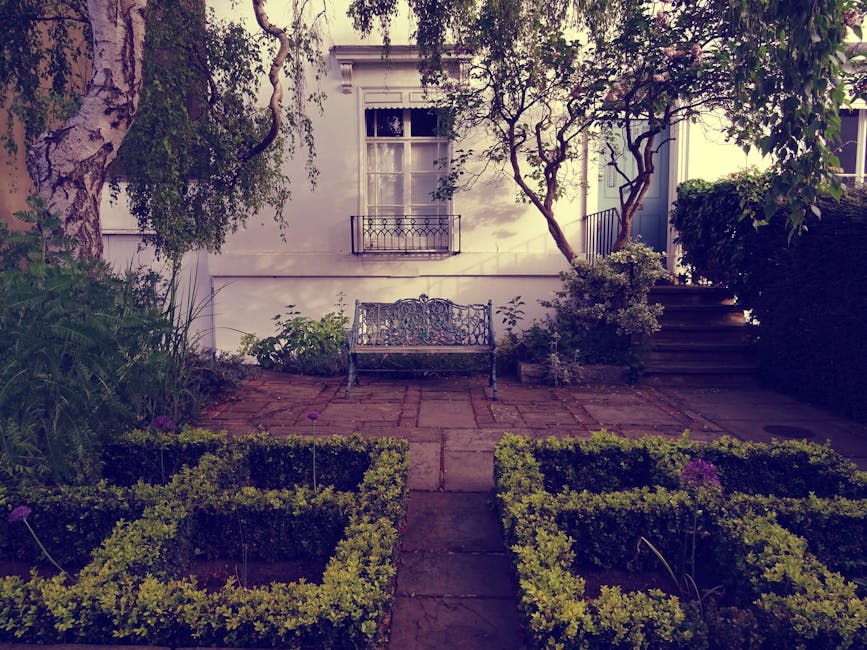
Best gardeners near Harrow on the Hill for period gardens
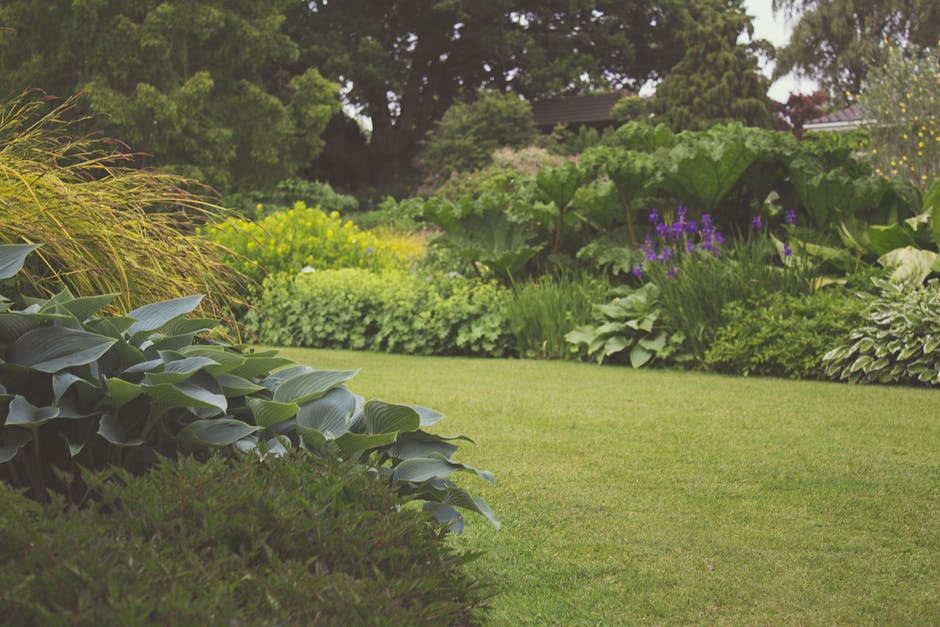
If you own a period property near Harrow on the Hill, you already know the garden is never just "the garden". It is part of the house's character. The clipped hedge, the old brick path, the slightly overgrown border that still has good bones under it - all of it matters. Finding the best gardeners near Harrow on the Hill for period gardens is really about finding people who understand restraint, proportion, and how to keep older landscapes looking cared for without stripping out their charm.
That sounds simple enough. In practice, it is where many gardens go wrong. A quick tidy can become a hard reset, and then suddenly the soft, established feel of the place is gone. This guide walks through what good period-garden care looks like, how to choose the right team, what services matter most, and the mistakes worth avoiding. If you want a garden that still feels elegant in February and generous in June, you're in the right place.
Why Best gardeners near Harrow on the Hill for period gardens Matters
Period gardens have a different job from new-build gardens. They are expected to look established, balanced, and sympathetic to the architecture around them. A Victorian terrace, an Edwardian villa, or a Georgian-style frontage can all be let down by a garden that feels too neat, too raw, or simply too modern in the wrong places. That's why the best gardeners near Harrow on the Hill for period gardens need more than basic horticultural know-how. They need judgement.
Judgement means knowing when to trim and when to leave well alone. It means understanding how old shrubs behave, how mature trees influence light, and how planting should soften brick, stone, and boundary walls without hiding them. It also means spotting subtle issues early - compaction, poor drainage, tired soil, ivy pressure, or hedges that have slowly drifted out of proportion. In other words, they are not just cutting things back. They are preserving the feel of the place.
Near Harrow on the Hill, that matters even more because many gardens sit within homes that have a strong architectural presence. One overzealous prune and the setting can feel flat. One neglected season and the garden can look weary. The right approach sits in the middle, and it's a very human skill, not just a technical one. To be fair, that's what makes a good gardener stand out in the first place.
If you are also looking for broader support, a joined-up service can help keep everything consistent across seasons. Many owners prefer working with a team that can handle garden maintenance as well as more targeted tasks like hedge trimming or lawn mowing, because period gardens usually need continuity rather than one-off heroics.
How Best gardeners near Harrow on the Hill for period gardens Works
The process should begin with observation, not tools. Good gardeners will usually walk the space first, noticing sightlines, mature planting, soil condition, shade patterns, and any historical features that should be protected. A period garden often has layers: old shrubs at the back, mixed borders in the middle, a path or terrace, maybe a small lawn, and one or two focal points that anchor the whole design. Remove one layer too aggressively and the whole thing can lose structure.
After that comes a plan. Not a grand masterplan full of fancy jargon - a proper working plan. What needs cutting now? What should be left until late winter? Which plants are likely to respond well to renewal pruning, and which are better handled gradually? What needs a careful tidy rather than a hard reset? Those are the questions that separate thoughtful gardeners from fast ones.
In practical terms, the work often includes seasonal pruning, weed and border control, leaf clearance, turf care, hedge shaping, deadheading, and checking for signs of stress in mature planting. In some gardens, there may also be clearance of unwanted growth, selective replanting, or light structural improvements. If hard landscaping is involved, it should be done with the same restraint. A period setting rarely benefits from anything that feels too shiny or contemporary.
Where the space needs more than maintenance, a broader service such as landscape gardening or landscaping can help refresh tired areas while keeping the garden in character. The trick is not to "modernise" everything. It is to make the garden feel coherent again. That's the sweet spot.
Key Benefits and Practical Advantages
Choosing experienced gardeners for a period garden gives you benefits that go beyond neat edges and healthy borders. Some are obvious; others you only notice after a season or two.
- Better visual balance: Mature gardens look right when mass, height, and spacing are handled with care.
- Protection for historic character: Older planting and original features stay intact rather than being overhauled unnecessarily.
- Healthier plants: Correct pruning and seasonal care reduce stress and help established plants thrive.
- Less long-term damage: Skilled gardeners spot problems before they become expensive fixes.
- More usable outdoor space: Clear paths, maintained lawns, and controlled growth make the garden easier to enjoy day to day.
- Better planning through the seasons: A good garden is not a one-off project; it is managed rhythmically across the year.
One overlooked advantage is calm. A well-kept period garden simply feels easier to live with. You notice it on a damp weekday morning when the light is low and the borders still look composed. No clutter, no jungle effect, no awkwardly shorn hedge trying too hard. Just a garden that knows what it is doing. And honestly, that feeling has value.
There is also a practical savings angle. Regular care often reduces the need for heavy remedial work later on. A modest hedge trim today is usually cheaper, kinder, and cleaner than a severe cut after years of neglect. The same is true for lawn recovery, clearance, and tree management. Prevention is not glamorous, but it works.
Who This Is For and When It Makes Sense
This type of gardening service suits a few different kinds of people. First, homeowners with period properties who want the outside to match the quality of the house. Second, landlords and property managers looking after homes where presentation matters. Third, anyone inheriting a mature garden that has become a bit tangled and no longer reflects the original layout. You know the sort: a lovely old space with good bones, hidden under three years of enthusiasm and self-seeded chaos.
It also makes sense if you have recently moved into a property and want to understand what is worth keeping. Period gardens often contain mature shrubs, old paving, established shade, and planting that may look messy at first but is actually valuable. A knowledgeable gardener can help you tell the difference between "overgrown" and "worth saving". That distinction saves a lot of regret.
You may not need a full redesign. Sometimes all you need is a better rhythm of maintenance, a few corrective cuts, and a sensible plan for borders, lawns, hedges, and access points. If there is a pile of old cuttings, broken pots, or unused debris left from previous seasons, a one-off garden clearance can create breathing room before the finer work begins.
And if your property includes mature trees that are shading the garden or crowding a boundary, it helps to bring those into the discussion early. A service such as tree lopping and removal may be relevant in some cases, but only where it is genuinely appropriate. In period settings, tree work should be considered carefully, because a mature canopy can be part of the garden's identity.
Step-by-Step Guidance
If you want to approach the search properly, here is a simple process that keeps things grounded.
- Walk the garden with fresh eyes. Note where the space feels tight, tired, out of balance, or overgrown. Look at it from the house as well as from the boundary. The view from the kitchen window matters, more than people think.
- List the features worth preserving. This might include mature shrubs, old roses, brick edging, specimen trees, traditional lawns, clipped hedges, or original pathways.
- Decide what needs regular maintenance and what needs restoration. Some parts need weekly or monthly care. Others need a one-time intervention followed by light touch-up work.
- Ask how pruning will be approached. Good gardeners should explain what will be cut, why it will be cut, and what will be left alone.
- Check whether they work sympathetically. For period gardens, "sympathetic" is not a buzzword. It means they respect the age and character of the space.
- Request a clear service plan. You want to know what is included, what can be added, and how often the work would be done.
- Review pricing and scheduling early. The goal is to avoid surprises. A transparent approach to pricing and quotes helps you compare options without feeling rushed.
At this stage, it can also help to look at the full range of available support. A general overview such as services overview gives you a sense of how maintenance, clearance, hedge care, lawn work, and broader garden improvements can be combined. That combination often suits period gardens better than isolated jobs.
One small but useful tip: ask for examples of how they handle border edges and transitions. In older gardens, the join between lawn, path, shrub bed, and wall often tells you more than a polished sales pitch ever will. Funny, but true.
Expert Tips for Better Results
There are a few habits that consistently improve outcomes in period gardens. None of them are complicated, but they are easy to get wrong when people are in a hurry.
- Keep the shape gentle. Period gardens tend to suit soft structure rather than harsh lines everywhere.
- Work with the architecture. A garden should frame the property, not compete with it.
- Use repetition carefully. Repeated planting or clipped forms can create calm, which suits older homes very well.
- Prune in stages if needed. Large shrubs or neglected hedges may need more than one season to look right again.
- Protect the soil. Mature gardens often suffer from compaction, especially near paths and borders. Careful footwork matters.
- Prioritise the view from indoors. Many owners enjoy the garden through windows most of the year. That angle deserves attention.
Another good habit is sustainability with common sense. Reusing healthy cut material as mulch where appropriate, recycling green waste properly, and avoiding unnecessary replacement all make sense in a long-lived garden. A team with a practical approach to recycling and sustainability is usually thinking a bit more clearly about the garden's future, not just today's tidy-up.
And yes, ask questions. Lots of them. If someone gives you a vague answer about pruning, or says every garden can be handled the same way, that is your cue to slow down. Period gardens reward patience. They really do.
Common Mistakes to Avoid
The biggest mistake is overdoing it. A lot of people feel relief when a garden looks "neat" after years of being busy or ignored, but neat is not always right. In a period setting, a hard reset can remove the softness that makes the space feel established. You can end up with something technically tidy and emotionally flat.
Another common issue is ignoring the relationship between structure and planting. If you cut back every hedge, shrub, and climber at once, the garden can lose its layers. Then you spend the rest of the season trying to rebuild what was already there. Not ideal.
Watch out for these errors in particular:
- Severe pruning without a plan - especially on mature shrubs and hedges.
- Replacing old features too quickly - some weathered materials add real character.
- Choosing style over fit - not every trend belongs in a period garden.
- Ignoring drainage or soil condition - surface tidiness does not fix deeper problems.
- Booking one-off work with no follow-up - most older gardens need rhythm, not drama.
There is also a timing mistake people make in spring. The garden looks a bit shaggy, the sun comes out for three days, and suddenly everything feels urgent. But some plants should not be rushed, and some jobs are better done after you have seen how the season develops. A measured approach is often the wiser one, even if it feels slightly slower on the day.
Tools, Resources and Recommendations
The best tools for period gardens are often the simplest ones used well. Sharp secateurs, proper hedge trimmers, hand forks, pruning saws, lawn equipment, and decent waste management all matter. But the real resource is experience. A tool can cut; experience decides where, when, and how much.
If you are comparing gardeners, ask what kind of work they do most often. Some teams are strongest in routine upkeep. Others are better with larger reshaping projects or older gardens that need a more considered recovery. For many homeowners, a blend of maintenance and light restoration is the sweet spot. Services like lawn mowing, hedge trimming, and regular garden maintenance can form the backbone of that approach.
It is also worth asking how waste is handled, whether access is protected, and whether the team can work respectfully around paths, old borders, and any delicate masonry or hard edges. That kind of care is not glamorous. It just saves trouble later. If decking or hard surfaces are part of the garden, make sure the work is coordinated sensibly with any decking services so the overall look stays coherent.
Expert summary: For period gardens, choose gardeners who value restraint, seasonal timing, and long-term character. If they talk only about speed, volume, or "transforming" everything, that is probably not the right fit.
Law, Compliance, Standards, or Best Practice
For garden work in the UK, especially around mature or older properties, it is sensible to think about safety, insurance, waste handling, and general professional conduct. You do not need to become a legal expert. You do need to know that a reputable gardener should operate with proper care and explain any risk before work begins.
In practical terms, look for clear communication around access, equipment use, fragile features, and liability. If trees are involved, work should be done carefully and only where appropriate. If climbing, cutting at height, or removal is needed, it is worth checking how the team manages safety and whether they carry relevant cover. A page like insurance and safety should give reassurance that these basics are taken seriously.
It is also fair to expect a straightforward approach to payment, terms, and complaints handling. That does not mean problems are expected. It simply means a professional business should not make things awkward if you need clarity. Helpful operators make their process visible, including payment and security, terms and conditions, and a sensible complaints procedure.
Environmental best practice matters too. Green waste should be managed responsibly, and work should not create avoidable damage to soil, roots, or existing planting. Gardens are living systems. You can get away with a few shortcuts in a small space, but not many. Not for long, anyway.
Options, Methods, or Comparison Table
Not every period garden needs the same kind of help. Here's a practical comparison to make the choice easier.
| Approach | Best for | Strengths | Watch-outs |
|---|---|---|---|
| Routine maintenance | Established gardens that are already in decent shape | Keeps character intact, prevents overgrowth, supports healthy growth | May not be enough if the garden has been neglected for years |
| Restorative tidy-up | Older gardens that need a reset without a redesign | Clears clutter, rebalances space, brings structure back | Can go too far if the gardener is overly aggressive |
| Landscape-led improvement | Gardens needing layout changes or harder structural work | Improves flow, access, and long-term usability | Must be handled sympathetically in period settings |
| Mixed service plan | Most period gardens near Harrow on the Hill | Balances maintenance, light restoration, and seasonal care | Needs clear planning so nothing gets overlooked |
For most homeowners, a mixed service plan is the safest bet. It gives the garden enough attention to stay healthy and presentable without pushing it into an overworked, over-designed place. That balance is where the good stuff happens.
Case Study or Real-World Example
Here's a realistic scenario. A homeowner in a period property near Harrow on the Hill has a garden that started well enough, but over three seasons it has become uneven. The front hedge has crept higher than it should, the lawn has thinned in one corner, the border by the wall has lost shape, and an old shrub is blocking light to the sitting area. Nothing is broken. It just feels tired.
A thoughtful gardener would not rush in with a dramatic makeover. First, they would assess what should stay, what should be cut back carefully, and what can be revived over time. They might trim the hedge to restore balance, lift and shape key shrubs, tidy the lawn edges, and clear dead material from the border. If the space needs additional structure, they might suggest modest landscaping adjustments rather than a total redesign. Small changes. Real improvements.
After the first visit, the garden would already feel calmer. Not stripped bare - calmer. Then, over a few follow-up visits, the space could be brought back into rhythm. That is usually the best outcome for an older garden. It respects what is there and gradually improves how it works.
And that, truth be told, is what most people actually want. Not a before-and-after reveal for social media. Just a garden that feels right when you step outside with your tea in hand, even on a grey Tuesday.
Practical Checklist
Use this checklist when comparing gardeners for a period garden near Harrow on the Hill.
- They understand period character and do not push a one-size-fits-all style.
- They explain how they handle pruning, hedges, lawns, borders, and mature planting.
- They are comfortable with maintenance and light restoration, not just quick tidy-ups.
- They can discuss waste handling and recycling responsibly.
- They are clear about safety, access, and insurance.
- They provide transparent pricing and a sensible quote process.
- They are willing to work in stages where that protects the garden's character.
- They offer services that fit your actual needs, not an inflated package.
- They communicate well and answer questions plainly.
- They leave you confident about the next season, not just today's tidy-up.
If you can tick most of those boxes, you are usually on the right track. If not, keep looking. There is no shortage of gardeners, but the right one for a period garden is a bit more specific than people expect.
Get a free quote today and see how much you can save.
Conclusion
The best gardeners near Harrow on the Hill for period gardens are the ones who understand that older homes need more than maintenance. They need sensitivity, timing, restraint, and an eye for what gives a garden its age and dignity. The goal is not to make everything look new. It is to make everything look cared for, balanced, and properly at home beside the property.
Whether you need ongoing care, a gentle recovery plan, or a broader improvement strategy, the right approach should feel calm and considered. If you want a garden that still looks elegant when the roses are finished and the borders are starting to rest, choose people who know how to work with a space rather than against it. That's the real difference. Quietly, it shows.
And if your garden has been waiting for attention a little too long, don't worry. Period gardens can come back beautifully when they are handled with respect.
Frequently Asked Questions
What makes a gardener suitable for a period garden?
A suitable gardener understands proportion, restraint, and seasonal timing. They should be comfortable working around mature planting, older hard landscaping, and architectural features without over-modernising the space.
How often should a period garden near Harrow on the Hill be maintained?
It depends on the size, planting style, and how much structure the garden has. Many period gardens benefit from regular maintenance through the growing season, with additional visits for pruning, hedge care, and seasonal tidy-ups.
Can a neglected period garden be restored without redesigning it?
Yes, often it can. A good gardener will first assess what is worth saving and then restore the space gradually. In many cases, careful pruning, clearance, and border rebalancing are enough to bring the garden back.
Is hedge trimming important in older gardens?
Very. Hedges often act as the frame for a period garden, so their height, shape, and timing matter. A neat but sympathetic trim can restore balance without making the garden feel harsh.
What services are most useful for period garden care?
The most common services are garden maintenance, hedge trimming, lawn mowing, selective clearance, and sometimes landscape gardening for small structural improvements. The right mix depends on the condition of the garden.
Should mature trees always be kept in a period garden?
Not always, but they should be assessed carefully before any decision is made. Mature trees can be a major part of a garden's character, yet they can also create shade, root pressure, or safety concerns if left unmanaged.
How do I know if a gardener is being too aggressive?
If they talk about "sorting everything out" in one go, suggest removing large amounts of planting without explanation, or seem unconcerned about the garden's character, that is usually a warning sign. Good work is usually more measured.
What should I ask before booking a quote?
Ask how they would approach the garden, what is included, how they handle waste, whether they have insurance, and whether they have experience with older or more formal gardens. Clear answers are a good sign.
Do period gardens need more planning than modern gardens?
Usually, yes. Older gardens often contain established features, mature planting, and design details that should be preserved. A little planning saves a lot of regret later.
Can landscaping work still be appropriate in a period garden?
Absolutely, as long as it is sympathetic. Small changes to paths, planting structure, access, or tired borders can improve the garden without losing its original feel. The key is restraint and good judgement.
How can I compare gardeners fairly?
Compare how they talk about your garden, not just the price. A fair comparison looks at experience, approach, clarity, safety, and whether they understand the character you want to protect. Price matters, of course, but it is not the whole story.
What's the next sensible step if I'm ready to improve my garden?
Start with a clear walk-through of the space and note what you want to preserve, what feels out of balance, and what needs immediate attention. Then look for a gardener who can explain a practical plan and work with the garden's existing character, not against it.