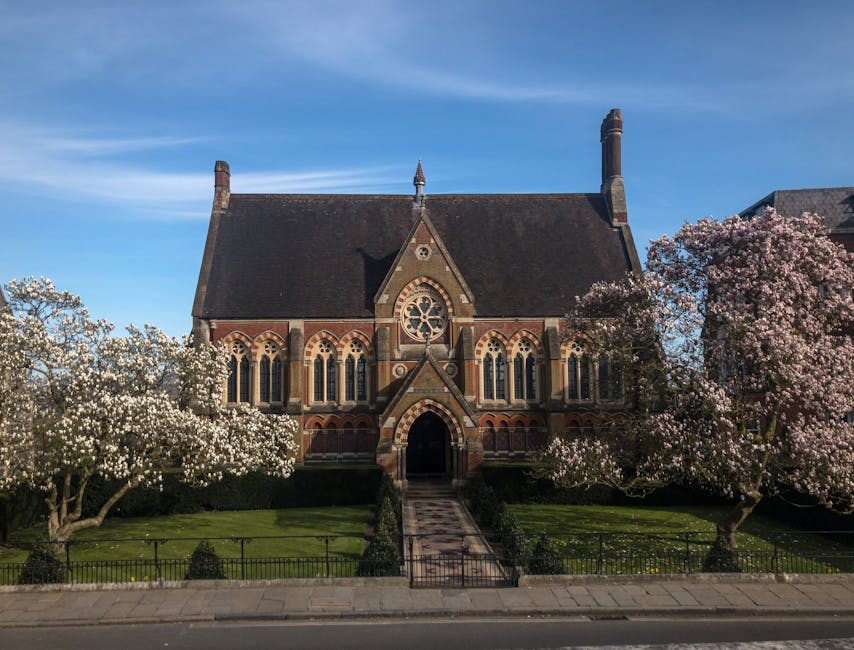
Harrow School Area Gardeners for Heritage Garden Care
If you're looking for Harrow School area gardeners for heritage garden care, you're probably not after a quick mow-and-go job. You want careful hands, a good eye, and the kind of routine that respects mature planting, old boundaries, and the quiet character of a garden that has earned its age. Heritage gardens are a different sort of challenge. They can look effortless from the path, but behind that calm surface there's often a lot going on: soil that's been compacted over years, hedging that needs shaping without being butchered, trees that should be maintained rather than simply cut down, and planting that has to be nudged along rather than reinvented.
That is exactly where skilled local gardeners matter. In the Harrow School area, heritage garden care is usually about balance. Preserve what should stay. Repair what needs attention. Keep the place healthy, usable, and dignified. This guide walks through what that means in real terms, how the work is typically approached, and what to look for if you want a team that understands older gardens without turning them into something bland and overdone. It's practical, honest, and a little old-fashioned in the best possible way.
- Why heritage garden care matters in the Harrow School area
- How heritage garden care works in practice
- Key benefits and practical advantages
- Who this is for and when it makes sense
- Step-by-step guidance
- Expert tips for better results
- Common mistakes to avoid
- Tools, resources and recommendations
- Law, compliance, standards and best practice
- Options, methods and comparison table
- Case study or real-world example
- Practical checklist
- Conclusion
- Frequently asked questions
Why Harrow School area gardeners for heritage garden care Matters
Heritage garden care is not just "regular maintenance with nicer plants". It is the careful upkeep of a garden that carries history, design intent, and often sentimental value. In and around the Harrow School area, gardens may include mature trees, clipped hedges, period borders, old brickwork, longstanding lawns, and planting schemes that rely on patience more than radical change. If that sounds delicate, it is. A little too much enthusiasm can do more harm than neglect.
Older gardens tend to reveal problems slowly. A hedge that is trimmed too hard one season may look fine at first, then thin out. A lawn that is over-fertilised can lose its old character and become patchy under pressure. A border that is "tidied" without understanding its rhythm can lose the seasonal structure that makes it special. So the value of experienced Harrow School area gardeners is simple: they recognise that restraint is often a skill, not a limitation.
There's also the matter of context. Heritage gardens often sit beside schools, historic homes, or established residential streets where presentation matters every single day. You notice the smell of damp leaf mould after rain, the sound of shears working through a hedge, the way a gravel edge or old path can quietly frame the whole space. These details are not ornamental fluff. They are part of the garden's character, and character is what people notice, even if they can't always say why.
Key point: heritage garden care protects both the appearance and the long-term health of mature outdoor spaces. Done well, it keeps old gardens usable, attractive, and structurally sound without stripping away their identity.
How Harrow School area gardeners for heritage garden care Works
The work usually begins with observation rather than action. Good gardeners will spend time looking at what is already there: the age and condition of shrubs, where the shade falls, how water moves across the soil, which plants are thriving and which are hanging on by a thread. In a heritage setting, that first look matters a lot. You cannot treat an old garden like a blank slate, because it isn't one.
From there, the approach is typically seasonal and selective. Some tasks happen frequently, such as light mowing, edging, deadheading, and clearing debris. Others are scheduled less often: hedge reduction, soil improvement, tree maintenance, and careful reshaping of overgrown areas. If you need broader support for a larger site, a service mix that includes garden maintenance, hedge trimming, and lawn mowing can be useful, provided the work is planned around the garden's age and structure rather than done on autopilot.
In practice, heritage care often follows a few principles:
- Preserve the shape of the garden first. That means respecting existing lines, vistas, and boundaries.
- Use light, repeated work rather than heavy intervention. Frequent small improvements are often better than a dramatic overhaul.
- Keep an eye on roots, bark, drainage, and soil health. Older gardens often fail from the ground up, not from the top down.
- Work with the site's rhythm. Spring, summer, autumn, and winter each ask for different care.
On some projects, a garden may also need tidying before care can even begin. In those cases, clearance is not a sign of over-enthusiasm; it's just sensible preparation. A light reset through garden clearance can remove dead growth, clutter, and unsafe waste so the underlying structure becomes visible. That said, if there is heritage planting or sensitive habitat, clearance should be selective. Nobody wants a "clean-up" that accidentally removes half the garden. Happens more often than people think. Not ideal.
Key Benefits and Practical Advantages
The biggest benefit of heritage garden care is continuity. Instead of replacing a mature garden every few years because it has become hard to manage, you keep it functioning. That alone saves a lot of stress. It also preserves the look and feel that makes the space distinctive in the first place.
Here are the advantages people usually notice most:
- Long-term plant health: mature shrubs, trees, and climbers stay in better condition when they are pruned and fed properly.
- Better presentation: edges are sharper, borders read more clearly, and the whole garden looks cared for rather than merely cut back.
- Reduced risk of damage: sensible pruning, correct tool use, and good site awareness lower the chance of harming roots, walls, and old masonry.
- More usable outdoor space: paths, lawns, and sitting areas remain practical for daily use.
- Less panic work: smaller routine jobs are cheaper and easier than rescue work after years of neglect.
There is a quieter benefit too. Older gardens have a way of making people feel grounded. A clipped yew hedge, an established border, even a slightly uneven old path can give a place depth and calm. You do not have to be a gardening enthusiast to feel it. You just notice when it's missing.
If you are weighing up whether to improve an older space more broadly, it can help to look at adjoining options like landscape gardening or landscaping. The trick is not to over-modernise. In heritage settings, improvement should look like continuity, not a personality transplant.
Who This Is For and When It Makes Sense
This kind of garden care makes sense for a wide range of property owners and managers, but especially for anyone responsible for mature or character-rich grounds near the Harrow School area. That may include private homes, schools, period properties, communal gardens, and sites where visual appearance carries real weight.
You are probably a good fit if you:
- own or manage a mature garden with established planting and long-lived structural features
- need regular upkeep without losing the garden's traditional character
- have hedges, trees, or lawns that need sensitive, ongoing care
- want a reliable team that understands restraint as well as tidiness
- are dealing with an overgrown area but suspect there is something worth preserving underneath
It also makes sense when you've inherited a garden and don't quite know where to start. Truth be told, many people find heritage gardens a bit intimidating. They look noble from the outside, but once you step in, there's always a question: what should be left alone, and what should be dealt with now? That uncertainty is normal.
For properties that need a wider reset, the decision may be to combine heritage-sensitive care with a modest amount of practical support such as waste removal, hedge shaping, or even tree work where safety demands it. In those cases, experienced gardeners should be able to explain what they are doing and why, rather than rushing straight to the cut pile.
Step-by-Step Guidance
If you are approaching a heritage garden for the first time, the safest route is to break the work into stages. Here is a straightforward way to think about it.
- Assess the garden as a whole. Walk the site slowly. Look at structure, shade, drainage, access, and plant condition.
- Identify what must be protected. This may include mature trees, old climbers, boundary hedging, historic paving, or notable specimen shrubs.
- Separate urgent tasks from cosmetic tasks. Safety and plant health come first. A neat appearance is good, but it should follow the essentials.
- Set a seasonal plan. Decide what needs attention now and what should wait until the right window.
- Use small, controlled interventions. Light pruning, careful edging, and measured feeding usually outperform dramatic work.
- Monitor results. After each round of maintenance, check how the plants respond. Older gardens often tell you quickly if something was too much.
That sequence sounds simple, and in principle it is. The real skill lies in judgment. For example, one old rose bed might need deadheading and feeding only, while another, planted in deeper shade, may need thinning nearby growth to restore airflow. Same garden, different response. That's the job, really.
If a site has become congested with debris or old materials, a proper reset can help. Start with a tidy access route, remove unsafe clutter, and work outward from there. For larger or rougher spaces, garden clearance can be the most sensible first step before finer heritage care begins.
Expert Tips for Better Results
Experienced gardeners know that heritage work is often about what you do not do. Here are a few practical habits that make a big difference.
1. Prune for shape, not simply for size
With older hedges and shrubs, the goal is usually to maintain form while encouraging healthy regrowth. Cutting back hard just because a plant is "too big" can create a gap that takes years to recover.
2. Respect the root zone
Mature trees and shrubs may look tough, but their roots can be surprisingly sensitive. Avoid unnecessary digging near trunks and avoid compacting the soil with heavy equipment. A careful hand matters more than a shiny tool. A lot more, actually.
3. Feed the soil, not just the plants
Heritage gardens often perform better when the soil is improved gradually with compost or organic matter, rather than rushed through a heavy treatment. Healthy soil supports calmer growth and fewer problems later on.
4. Keep records, even basic ones
A simple note of what was cut, when it was done, and how the garden responded helps enormously over time. Older gardens benefit from memory, but memory alone is flaky on a wet Tuesday in October.
5. Match the method to the feature
Not everything should be treated the same. A clipped hedge, a herbaceous border, a mature lawn, and an old fruit tree all need different handling. If one approach is being used everywhere, pause and ask whether that is really the best fit.
If you are working with a broader service plan, it can also help to understand the company's approach to equipment, public safety, and site protection. Pages such as insurance and safety and health and safety policy can offer reassurance about how a professional team thinks before they start work.
Common Mistakes to Avoid
Most problems in heritage garden care come from speed, overconfidence, or simply not noticing what makes the site special. A few mistakes show up again and again.
- Over-pruning established plants: this can strip shape, reduce flowering, and shock mature growth.
- Using a one-size-fits-all routine: an old garden rarely responds well to standard treatment without adjustment.
- Removing "messy" features too quickly: dead wood, seed heads, and old stems are not always rubbish; sometimes they support wildlife or protect the plant.
- Ignoring drainage or soil compaction: if water pools or the ground feels hard underfoot, the root issue may be below the surface.
- Chasing perfection: heritage gardens are not meant to look sterile. A little softness often belongs there.
Another mistake, and this one is common, is assuming every old feature should be replaced with a modern equivalent. A weathered path or ancient hedge line may look imperfect, but if it still works, it may be part of the garden's identity. Better to repair intelligently than replace by reflex.
Tools, Resources and Recommendations
Good heritage garden care depends on the right tools, but not necessarily the most aggressive ones. Clean, sharp, well-maintained equipment matters more than heavy-duty power for its own sake.
Useful basics usually include:
- hand shears for precise hedge work and shaping
- secateurs for selective pruning and deadheading
- long-reach tools for safer, lighter access where appropriate
- a mower suitable for the lawn's condition and scale
- rakes, forks, and edging tools for cleaning up without damaging structure
- protective gloves and suitable footwear, especially on uneven ground
For larger, more demanding sites, professional teams may also use specialist equipment, but the real value is not the machine itself. It is how responsibly it is used. One careless pass with a strimmer can undo months of patient care.
For clients comparing service levels, it can be useful to review a provider's wider approach through their services overview and their pricing and quotes information. That helps you understand how they structure work, what is included, and whether the service is likely to suit a heritage setting.
You may also want to ask about sustainability. In older gardens, waste can often be reduced through better planning, selective pruning, and sensible recycling of green material. A practical provider will usually have clear thinking on this, and a page like recycling and sustainability can be a good sign that the business is taking waste handling seriously.
Law, Compliance, Standards and Best Practice
Heritage garden care is not usually a heavily regulated niche in the way some building or tree operations are, but good practice still matters. If a site includes protected features, significant trees, public access, or shared boundaries, it becomes important to work cautiously and ask the right questions before cutting or removing anything.
In the UK, professional gardeners working on older or higher-risk sites are generally expected to follow sensible safety procedures, use appropriate equipment, and avoid damage to structures, roots, or neighbouring land. Where trees are involved, extra care is needed. Tree work can be sensitive and sometimes carries additional local or legal considerations, so major intervention should not be guessed at. If a tree looks unsafe, overgrown, or structurally compromised, specialist attention may be required through a service such as tree lopping and removal, but only where that is genuinely appropriate.
For heritage settings, best practice usually means:
- documenting what work was agreed before it starts
- checking access routes so historic surfaces are not damaged
- using careful pruning methods instead of heavy cutting
- protecting walls, edges, beds, and mature roots during maintenance
- being honest when specialist arboricultural or landscaping input is needed
It is also sensible to understand how a provider handles insurance, payment, and complaints. That sounds dry, I know, but it matters when a property has meaningful features at stake. Clear policies help everyone stay on the same page, and they reduce awkward surprises later. Not glamorous, but very useful.
Options, Methods, or Comparison Table
When people talk about heritage garden care, they often mean one of three approaches. The right option depends on the site's condition, budget, and how much character needs to be preserved.
| Approach | Best for | What it includes | Watch out for |
|---|---|---|---|
| Routine heritage maintenance | Well-kept mature gardens | Light mowing, edging, pruning, hedge care, planting checks | Can miss underlying issues if no seasonal review is done |
| Restorative care | Overgrown or neglected gardens with strong structure | Selective clearance, soil improvement, corrective pruning, rebalancing beds | Needs patience; too much done too quickly can cause harm |
| Heritage-sensitive redesign | Gardens needing improvement without losing character | Careful reshaping, planting renewal, access improvements, feature retention | Easy to modernise too aggressively if the brief is not clear |
To be fair, many real gardens sit between categories. One side of the site may need simple upkeep while another area is badly congested and needs restoration. That is normal. Good gardeners do not force every section into the same box.
Case Study or Real-World Example
Imagine a mature garden near the Harrow School area that has been looked after irregularly for a few years. The lawn is still there, but it has become patchy at the edges. The hedge line is intact but uneven. A couple of shrubs are swallowing a narrow path, and beneath an old tree there's a build-up of leaves, moss, and compacted soil. Nothing dramatic. Just enough neglect to make the place feel tired.
A sensible heritage care plan would not start with a full strip-out. Instead, the first visit would focus on assessment and gentle recovery:
- clear debris and restore safe access
- check hedges for weak points and shape them lightly
- improve the lawn through measured mowing and edging
- remove only dead or obstructive growth from borders
- protect the tree base and avoid digging into roots
- plan follow-up visits rather than trying to finish everything in one go
Within a couple of seasons, the garden would likely feel calmer, more open, and more coherent without losing its mature character. That's the ideal outcome: not a "new" garden, but an older one that has been brought back into steady health. You can almost hear the difference. Less scraping, less clutter, more space for birds, breeze, and the slow stuff that makes a garden feel alive.
Practical Checklist
Use this checklist if you are arranging or reviewing heritage garden care in the Harrow School area.
- Have you identified the features that must be preserved?
- Do you know which parts need immediate attention and which can wait?
- Has the site been assessed for access issues, root protection, or drainage concerns?
- Are hedge, lawn, tree, and border tasks being treated separately where needed?
- Has any clearance work been kept selective rather than aggressive?
- Is there a seasonal plan, not just a one-off visit?
- Has the provider explained how they handle safety and insurance?
- Are waste and green materials being managed responsibly?
- Have you agreed what should happen if hidden issues are found?
- Is the final outcome meant to preserve character, not erase it?
Practical summary: the best heritage garden care is calm, selective, and consistent. It protects what matters, improves what can be improved, and avoids the noisy temptation to "fix" everything at once.
Get a free quote today and see how much you can save.
Conclusion
Harrow School area gardeners for heritage garden care need more than basic maintenance skills. They need judgement, patience, and a feel for the difference between necessary intervention and unnecessary change. Older gardens reward that sort of attention. They tend to respond best when treated as living places with memory, not as blank projects waiting for a makeover.
If you're responsible for a heritage garden, start with the basics: protect structure, respect mature planting, and choose a maintenance rhythm that suits the site rather than forcing the site to suit the schedule. That approach keeps the garden useful, elegant, and much easier to live with. And honestly, it is a relief when someone knows what they're doing.
When the work is thoughtful, an older garden does what it has always done best: it settles the eye, softens the day, and quietly reminds people that good things last when they are looked after properly.
Frequently Asked Questions
What does heritage garden care actually mean?
Heritage garden care means maintaining an older or character-rich garden in a way that preserves its structure, planting style, and sense of history. It is more careful than standard garden maintenance because the aim is to protect what already makes the space special.
How is heritage garden care different from regular garden maintenance?
Regular maintenance is usually focused on keeping a garden tidy and functional. Heritage care goes further by considering design continuity, mature planting, historic features, and the long-term health of older elements. Sometimes less intervention is the better choice.
Can an overgrown heritage garden be restored without losing its character?
Yes, often it can. The key is gradual, selective work. Start with clearance, then recover structure in stages. Heavy cutting all at once can strip away the character you were trying to save, so patience matters a lot here.
How often should mature hedges and lawns be maintained?
It depends on the site, the plant species, and the season, but heritage gardens usually benefit from regular, lighter visits rather than infrequent big jobs. That helps keep shapes crisp and prevents unnecessary stress on older growth.
Do heritage gardens need specialist gardeners?
They benefit from gardeners who understand mature planting, pruning restraint, and historic garden structure. Not every general gardener will be wrong for the job, but experience with older sites makes a noticeable difference.
What should I ask before hiring someone for heritage garden care?
Ask how they protect mature trees and roots, how they approach pruning, whether they work seasonally, and how they handle safety and waste. It also helps to ask for a clear plan before any cutting starts.
Is garden clearance always needed before heritage work begins?
Not always. Some gardens only need light tidying. But if a site is overgrown, cluttered, or hard to assess safely, selective clearance can be the sensible first step. The important thing is not to remove features that should remain.
What are the biggest risks in heritage garden maintenance?
The main risks are over-pruning, soil compaction, root damage, and replacing old features too quickly. A rush job can undo years of character, which is why careful planning is so important.
How do I know whether a tree in an old garden needs special attention?
If a tree shows decay, structural weakness, dead limbs, or signs of instability, it should be assessed carefully. Tree work in heritage settings needs caution because roots, canopy shape, and site safety all matter. Major cuts should never be guessed at.
Can heritage garden care be eco-friendly?
Yes. In fact, it often should be. Reusing green waste sensibly, avoiding unnecessary excavation, improving soil naturally, and preserving established planting are all practical ways to reduce waste and support a healthier garden.
How do I balance tidiness with preserving an older garden's natural feel?
Keep the structure clear, but don't over-polish every surface. Old gardens usually look best when they are neat, healthy, and slightly relaxed rather than rigid. Think cared for, not sterilised.
What is the best first step if my heritage garden feels overwhelming?
Start with a proper assessment and decide what must be protected. Once that is clear, break the work into smaller stages. That makes the whole thing feel much less daunting, and it usually leads to better results anyway.