Garden Maintenance in Harrow

Garden Maintenance Harrow provides regular and one-off garden care in Harrow for homes and properties that need tidy, manageable outdoor spaces. Our main service covers routine upkeep such as lawn mowing, hedge trimming, planting care, border management and seasonal clear-downs, with a practical approach that keeps the work organised rather than overcomplicated. The aim is simple: keep the garden healthy, presentable and easier to look after through the year.
For many gardens, the right maintenance plan is less about dramatic change and more about steady attention. Grass grows differently across shaded and open areas, hedges respond to pruning at different times, and borders benefit from timely weeding and light shaping. We work across these everyday tasks with careful, consistent maintenance that suits the space in front of us, whether the garden is compact, family-sized or split into several separate areas.
When you are ready to discuss what your garden needs, a clear enquiry helps us understand the work and prepare a quotation. You can request a quote once you have decided which tasks matter most, and we can then focus on the most suitable scope rather than adding unnecessary extras.
Routine garden care that keeps everything under control
Regular maintenance is often the easiest way to prevent a garden from becoming overwhelming. Grass cutting, edging, border tidying and light pruning all contribute to a space that feels looked after, while also making later work more manageable. We can build maintenance around the season and the condition of the garden, so the work supports the planting already in place instead of cutting across it.
Some clients prefer a straightforward visit focused on visible tidiness. Others need a broader mix of tasks, especially where a garden contains hedges, shrubs, uneven lawns or areas that grow at different rates. In those cases, maintenance can include more than one type of task within the same visit, allowing us to balance the garden rather than concentrating only on one feature. If you would like to keep the garden presentable without major redesign, this kind of service is often the best fit.
Helpful maintenance choices commonly include:
- Grass cutting and edge finishing
- Hedge trimming and light shaping
- Weeding and border clearing
- Deadheading and basic plant tidying
- Seasonal leaf and debris removal
What we can include in a maintenance visit

Our garden maintenance work can be shaped around the jobs that matter most to you. Some gardens need a regular mowing schedule to stop grass becoming patchy or overlong, while others need targeted hedge work to maintain boundaries and keep growth neat. We can also support smaller details that make a real visual difference, such as clearing paths, lifting fallen material, removing spent growth and making sure edges do not look unfinished.
Where planting is already established, maintenance often means giving each area a lighter touch. Shrubs may need selective pruning rather than heavy reduction, and borders may need tidying without stripping them back completely. That balance is important because good maintenance should protect the appearance of the garden as well as its structure. Thoughtful pruning and trimming can help maintain shape and reduce clutter, but it should be applied with enough judgement to suit the plant and the setting.
For larger or more varied spaces, it can be useful to group the work by area so nothing is missed. Front gardens, rear lawns, side passages and planting beds can each need different attention, and a maintenance visit can reflect that. When the layout is mixed, the best results usually come from combining a few specific tasks rather than applying one blanket approach to every part of the garden.
Hedge trimming, lawn care and border upkeep
Hedge trimming is one of the clearest ways to keep a property looking cared for from the street and from within the garden. A trimmed hedge can improve shape, limit overhang and prevent growth from swallowing paths or access points. Depending on the hedge type and the season, work may involve a light tidy or a more deliberate reduction, always with attention to preserving a natural, healthy outline where possible.
Lawn care is equally important because grass sets the tone for the whole space. A neat lawn helps the rest of the garden look finished, especially when edges are cut cleanly and clippings are dealt with properly. In many gardens, mowing alone is not enough; the surrounding borders, paths and corners need attention too. Our lawn mowing service sits well alongside broader maintenance where regular grass cutting is part of the overall plan.
Border upkeep often decides whether a garden looks tidy or simply cut back. Weeding, edging, deadheading and light reshaping can stop beds from appearing neglected, while still leaving the planting intact. For gardens with dense shrubs or mixed planting, the right approach is usually measured and selective rather than aggressive. That keeps the garden orderly while still allowing it to develop naturally through the season.
Seasonal work and one-off clear-downs

Not every garden needs the same maintenance rhythm. Some properties benefit from regular visits throughout the growing season, while others only need occasional attention after periods of heavy growth. Seasonal work can be especially useful when spring growth begins quickly, when summer growth creates frequent cutting needs, or when autumn leaves and fading planting make the space look untidy. A sensible maintenance plan responds to those shifts rather than trying to use the same routine all year.
One-off clear-downs can also be valuable when a garden has been left for a while and needs practical attention before regular upkeep resumes. In those cases, the work often starts with the visible basics: cutting back overgrowth, removing dead material, clearing debris and restoring access to paths or edges. Once the space is back under control, maintenance becomes easier to manage, and future visits can focus on keeping rather than rescuing the garden. If you need broader outdoor help, we can also discuss related garden work through our garden maintenance service page.
Different seasons bring different priorities, and the maintenance plan should reflect that. Spring may call for tidying after winter growth, summer may require more frequent mowing and trimming, and autumn may need leaf clearance and cutting back of spent material. A well-timed visit can help the garden move from one phase to the next without losing its shape or becoming difficult to use.
Preparing a quotation for your garden
Price is usually shaped by the size of the garden, the amount of growth to be cut back, the number of tasks involved and how accessible the areas are. A small, straightforward lawn with a few edges is very different from a larger garden with hedges, borders, slopes and repeated clearance needs. Because of that, a sensible quotation depends on the actual work, not just the postcode or a broad assumption about the property.
It helps to describe the main jobs you want completed, and if the garden has several zones, mention which parts matter most. Photographs can also make it easier to understand the scale and condition of the work, especially where growth is dense or access is limited. The clearer the starting information, the easier it is to match the quotation to the right scope without overcomplicating the arrangement. If you are ready to take the next step, you can ask for a quotation and choose the level of maintenance that suits your garden.
We keep the process practical: identify the tasks, agree the scope and then plan the visit around what needs doing first. That way, the quotation reflects the garden you have now, not an imagined version of it. See pricing and quotes if you want to compare the available information before making an enquiry.
Related outdoor work when maintenance is not quite enough
Some gardens need more than routine care, especially if they have been neglected or if the layout no longer works well. In those situations, maintenance may sit alongside additional outdoor work such as clearing, reshaping or larger-scale tidying. The right approach depends on what the garden already contains and what you want to keep, because a maintenance visit should support the existing space rather than stripping it back unnecessarily.
Where planting beds, lawns and access routes all need attention at once, a broader service can help bring the whole garden back into balance. That might include more extensive cutting, removal of unwanted growth, or a more structural approach to making the area easier to manage. For gardens that need a substantial tidy before routine upkeep begins, garden clearance can complement longer-term maintenance by removing the material that is getting in the way.
In some cases, the garden benefits from a more considered reshaping rather than simple trimming. This can be useful where the borders, paths or planted sections have become crowded over time. The key is to decide whether the garden only needs upkeep or whether it would benefit from a stronger reset first. Once that is clear, the maintenance work can be planned in a more focused and efficient way.
About Harrow
Harrow is a north-west London district with a long history shaped by its position on higher ground above the surrounding plain. The name is closely associated with Harrow Hill and the broader historic parish area, where the elevation has long made the location distinctive in the local landscape. One of the best-known landmarks is Harrow School, founded in 1572, which sits near the historic centre and has influenced the area’s identity for centuries. The district also contains the Church of St Mary, an old parish church on the hill that adds to the area’s historic character and visual profile. Beyond the older centre, Harrow developed strongly through the nineteenth and twentieth centuries as transport links improved, including rail connections that encouraged suburban growth. Today the area is a mix of residential streets, local shopping parades and civic spaces, with Greenhill Way, low-rise commercial buildings and older housing blending into newer development. Public green spaces and nearby open land contribute to the district’s feel, while local parks and tree-lined streets soften the built environment. Harrow on the Hill remains the most recognisable historic core, but the wider district also includes residential neighbourhoods and busy everyday routes that connect to the rest of north-west London. The result is a place with a clear sense of settlement layered over time, where historic architecture, suburban planning and modern urban life sit alongside one another.
Tailored maintenance for the way your garden is used

A good maintenance plan should reflect how the garden is actually used. A front garden may need emphasis on presentation, with careful edging and tidy planting, while a family rear garden may need more emphasis on safe access, clear borders and keeping grass at a usable length. If there are paths, steps, seating areas or narrow passages, maintenance should keep those spaces open and easy to move through rather than letting growth spill into them.
Plants also benefit from being treated according to their role in the garden. A flowering shrub may need gentle shaping rather than a hard cut, while a line of hedging may need more regular attention to preserve structure. We aim to match the task to the plant and the layout, because the strongest results usually come from small, careful decisions rather than heavy-handed work. That approach helps preserve both appearance and long-term condition.
For clients who prefer continuity, it is often easier to keep on top of maintenance with a repeat arrangement rather than waiting until the work builds up. For others, a single tidy-up visit is enough to reset the garden and create a better starting point. Either way, the goal is the same: a garden that feels deliberate, not left to drift.
What to expect when arranging the work
Before any quotation is prepared, it is useful to be clear about the tasks you want included, the parts of the garden that matter most and whether the visit is for ongoing maintenance or a one-off tidy. That information helps keep the scope realistic and avoids unnecessary assumptions. If access is awkward or the garden has several separate sections, mentioning that in advance also helps us understand the work properly.
It is also worth thinking about the outcome you want. Some gardens simply need to look neater, while others need more practical restoration of order before they can be maintained regularly. A focused brief makes it easier to decide whether the work should centre on mowing, hedge trimming, border care or a combination of these tasks. When the brief is clear, the quotation can be aligned with the actual level of effort involved. Contact us to request a quotation when you are ready to discuss the garden in more detail.
We aim to keep the process straightforward and transparent from the start. The more clearly the garden’s condition and priorities are described, the more precisely the maintenance work can be matched to them. That makes the whole arrangement easier, whether the job is small and focused or broader in scope.
Further garden services and next steps
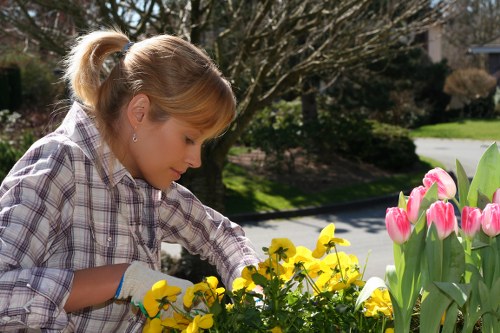
Garden maintenance is often part of a wider picture that includes shaping, clearing and improving outdoor spaces over time. If you are thinking beyond routine upkeep, related services may help you plan the next stage in a sensible order. Some gardens first need cutting back and tidying, while others are ready for structural changes or refreshed planting. The important point is to choose work that supports the garden you want to keep, rather than creating extra maintenance later.
Where a garden has features such as decking, overgrown trees or larger landscaping elements, it can be useful to consider those separately so the maintenance plan stays manageable. A neat lawn, tidy hedges and ordered borders create a strong base, and additional work can then be introduced only where it is genuinely needed. For broader outdoor improvements, landscaping and decking services may be relevant alongside ongoing upkeep, depending on the condition and layout of the space.
If your priority is to keep the garden in good order, start with the most noticeable tasks and build from there. Then, when you are ready, ask for a quotation and let us know what outcome you want from the maintenance. That is the easiest way to turn an untidy outdoor area into a space that is simpler to manage and more pleasant to use.